
As a vegan sociologist, I apply a critical race and critical animal studies perspective, arguing that constructions of race and species in the colonial context are fundamental to contemporary narratives and decisionmaking with regard to animal agriculture and sustainability. Although more sustainable, healthy, and equitable traditions can be found in Irish culture, it is primarily the influence of colonial-capitalist rule that shapes modern Ireland’s foodways and policymaking.
Continue readingCannibalism and the Human/Nonhuman Border in Polar Exploration
Veganism and the Problem of Cultural Diversity
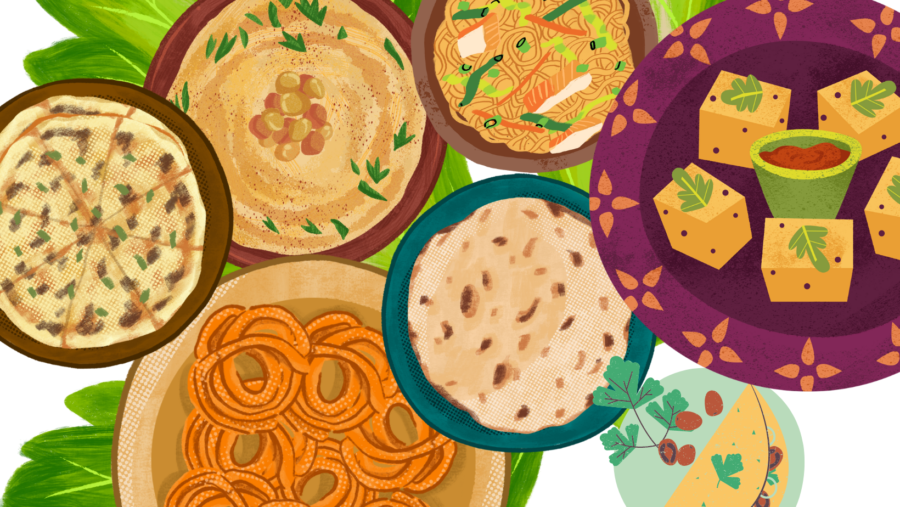
In our postcolonial world, the high consumption of animal products is now related to aggressive Western marketing, heavily subsidized animal agriculture in Western countries that gluts global markets, exploitative and often violently enforced use of land and resources outside of the West (such as the destruction of the Amazon rainforest for beef production), forced removal of Indigenous communities, predatory lending and capitalist ventures led by global financial entities such as the World Bank, and increased consumer power made possible by globalization. Diets heavy in animal products are not culturally diverse; they are products of Western imperialism. The global majority cannot digest lactose (dairy) beyond the age of weaning (a normal process among mammals), and, as animal flesh is expensive to produce or shunned in certain spiritual practices, traditional diets of the world have been based in fruits, vegetables, legumes, and pulses. Plant-based diets are more cost efficient, sustainable, and healthful, accounting for their foundational and ubiquitous presence across almost of the world’s cultures.
Continue readingExplorers Race to the Poles, Animals Lose
The exploitation of Nonhuman Animals was central to the polar explorations. Nonhuman Animals often comprised their clothing. Countless Nonhuman Animals were killed and rendered, potted, and otherwise preserved for the supplies picked up in nearby ports or donated by advertisers sponsoring the expeditions.
Continue readingMy Dog is Just a Dog: On Breedism and Ideations of Purity
Vegan Geographies in Ireland
The Church and Medieval Ireland (Animals in Irish Society, Episode 2)
Brexit, Dog-knapping, and Otherized Dogs of the EU
Zoos as Colonial Legacies of Injustice
Although framed as educational family-friendly spaces, “zoos” entail the non-consensual control of vulnerable beings for the pleasure and convenience of humans. Having emerged in modern British society as an extension of the colonial project of dividing, categorising, and rationalising controlled groups, “zoos” are functional in their ability to maintain social inequality.
Continue reading